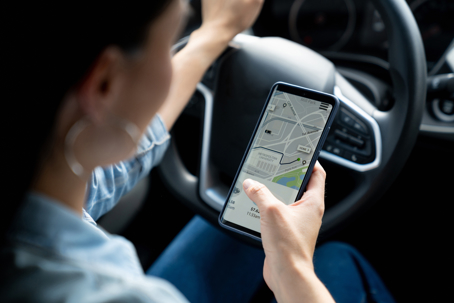
When GPS Becomes a Factor in Rideshare Accidents
GPS technology is central to how Uber and Lyft drivers operate. It determines routes, pickup locations, and drop-off instructions in real time. But reliance on navigation systems does not absolve a driver of their responsibility to operate their vehicle safely.
When a rideshare driver causes a crash while following GPS directions, liability is not automatically excused. Drivers are still required to obey traffic laws, remain alert, and make safe decisions regardless of what the app instructs.
In many cases, GPS may be a contributing factor, but it is rarely the sole cause of a collision.
Driver Responsibility Still Applies
Even when a driver is following GPS instructions, they are responsible for:
- Observing traffic signals and right-of-way rules
- Adjusting for road conditions
- Avoiding sudden or unsafe maneuvers
- Maintaining a safe following distance
- Remaining aware of surrounding vehicles and pedestrians
If a driver turns suddenly, stops abruptly, or enters an unsafe roadway based on GPS instructions, that does not eliminate potential liability.
Instead, the question becomes whether a reasonably careful driver would have responded differently under the same conditions.
How Liability Is Evaluated in GPS-Related Crashes
These cases often involve multiple layers of analysis.
Investigators and insurance companies may review:
- App route data and GPS history
- Driver input and manual overrides
- Vehicle speed and braking patterns
- Road signage visibility and traffic conditions
- Whether the driver was distracted by the app
In some cases, GPS may lead a driver into unfamiliar areas, but unfamiliarity alone is not a defense against negligent driving.
Rideshare Insurance Coverage Issues
Uber and Lyft accidents often involve overlapping insurance coverage depending on the driver’s status at the time of the crash.
Coverage questions may include:
- Whether the driver was actively transporting a passenger
- Whether the driver was en route to a pickup
- Whether the app was active, but no trip was in progress
These distinctions can significantly impact how claims are processed and which policy applies.
Why These Cases Require Careful Investigation
GPS-related crashes are often more complex than they appear. Insurance companies may attempt to argue that the driver was simply following directions and had no control over the situation. However, a proper investigation can reveal whether the driver acted unreasonably despite navigation instructions.
Evidence such as phone data, app logs, and vehicle telemetry can help clarify what actually happened.
Sacramento Uber & Lyft Accident Attorneys
If you were injured in a crash involving an Uber or Lyft driver who was following GPS directions, you may still have a valid claim depending on the circumstances.
Contact us today at Del Rio & Caraway, P.C. or call (916) 229-6755 to learn more about your legal options.
Car Accident Ruin Your Day? Call Del Rio & Caraway!